ARSDO’s approach brings together four complementary areas of intervention:
Key Targets: By the end of the project, the planned outputs include:
Inclusive and Community-Based Implementation: The project will use a transparent and participatory beneficiary-selection process based on vulnerability and exposure to disaster and climate-related risks. Particular attention will be given to vulnerable and marginalized groups, including poor and low-income households, farmers, landless people, women-headed households, internally displaced persons, returnees, unemployed people, persons with disabilities, and elderly-headed households. ARSDO will work with provincial and local authorities, disaster management structures, Community Development Councils, community elders, religious leaders, women’s representatives, community groups, humanitarian and development partners, and local communities to support effective and inclusive implementation. Expected Contribution: Through an integrated combination of disaster-risk-reduction infrastructure, community preparedness, livelihood support, training, and local coordination, the project is designed to strengthen the capacity of vulnerable communities in Zabul and Uruzgan to prepare for, respond to, and reduce the impacts of disasters and climate-related risks.
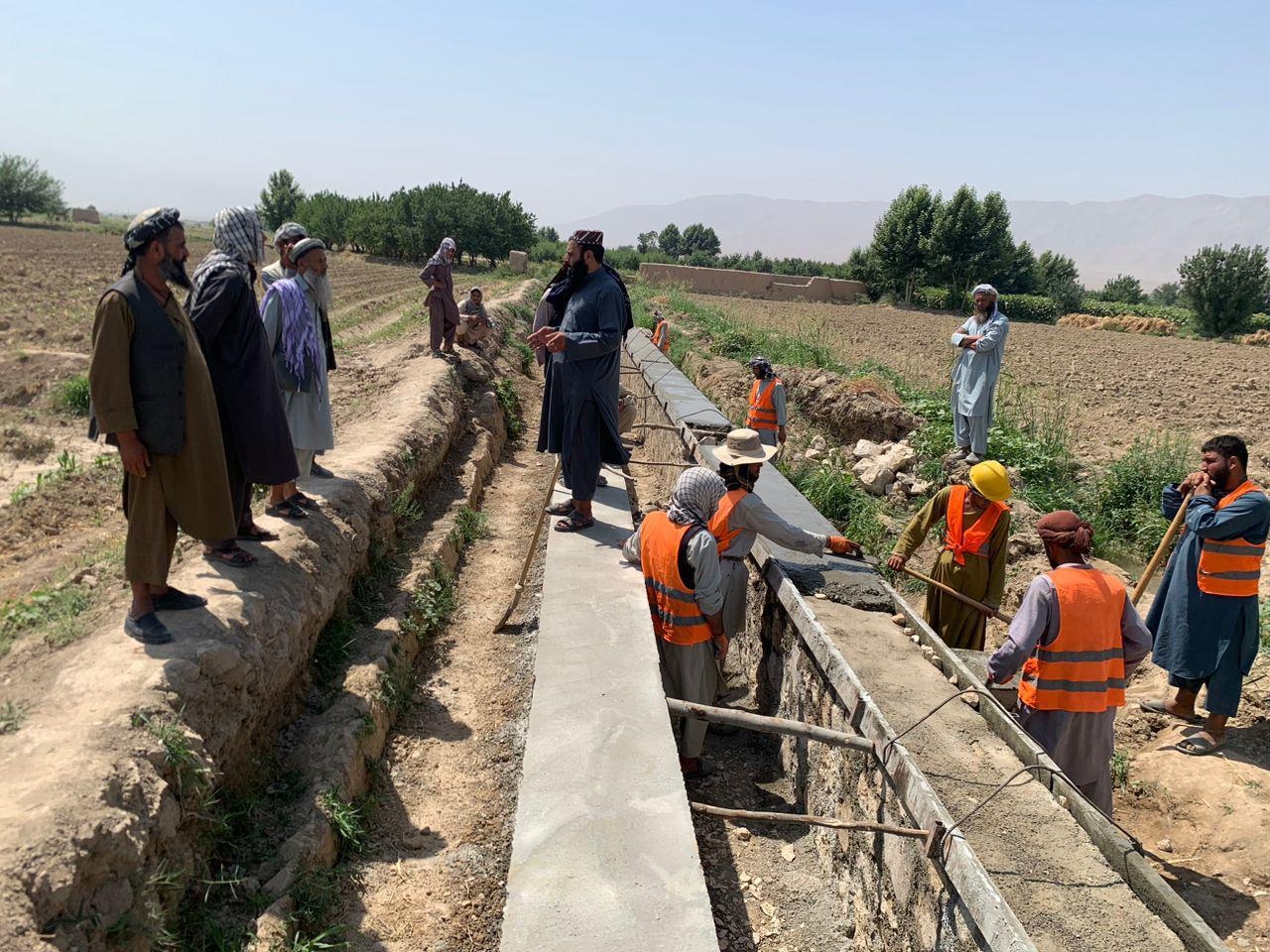
1Infrastructure-Based Disaster Risk Reduction: The project will support flood protection and erosion control through the delivery of approximately 2,000 gabion cages and the rehabilitation and cleaning of irrigation and drainage infrastructure.
2Community Preparedness and Awareness: Community members will receive awareness and preparedness support covering disaster risk reduction, emergency preparedness, climate change, flood mitigation, early warning, safe evacuation, first aid, environmental protection, and water conservation.
3Cash for Work Support: The project will create short-term livelihood opportunities for vulnerable community members through Cash-for-Work activities linked to the rehabilitation and cleaning of community infrastructure. Approximately 5,000 labour days are planned, benefiting around 450 vulnerable households.
4Institutional Capacity and Coordination: ARSDO will facilitate specialized training and workshops for disaster management actors, local authorities, community representatives and leaders. The project will also establish or strengthen community emergency coordination groups to improve preparedness and coordination at the local level.
52,000 gabion cages delivered for flood protection and erosion control.
650 irrigation and drainage canals rehabilitated or cleaned.
7Approximately 70 km of canals cleaned or restored.
8Approximately 450 vulnerable households supported through Cash-for-Work.
9Around 5,000 labour days generated.
1030 community awareness sessions conducted.
11At least 600 community members participating in awareness and preparedness activities.
12Four DRR and emergency preparedness workshops conducted.
1375 provincial disaster management staff and community representatives trained.
14Ten community emergency coordination groups established or strengthened.
15A functional Grievance Redress Mechanism (GRM) maintained throughout the project.