From clinics to classrooms, see the work our teams are delivering on the ground right now — province by province, backed by trusted donor partners.
Filter by sector to explore the programmes running today, funded and delivered with our partners.
 Humanitarian
Ongoing
Humanitarian
Ongoing
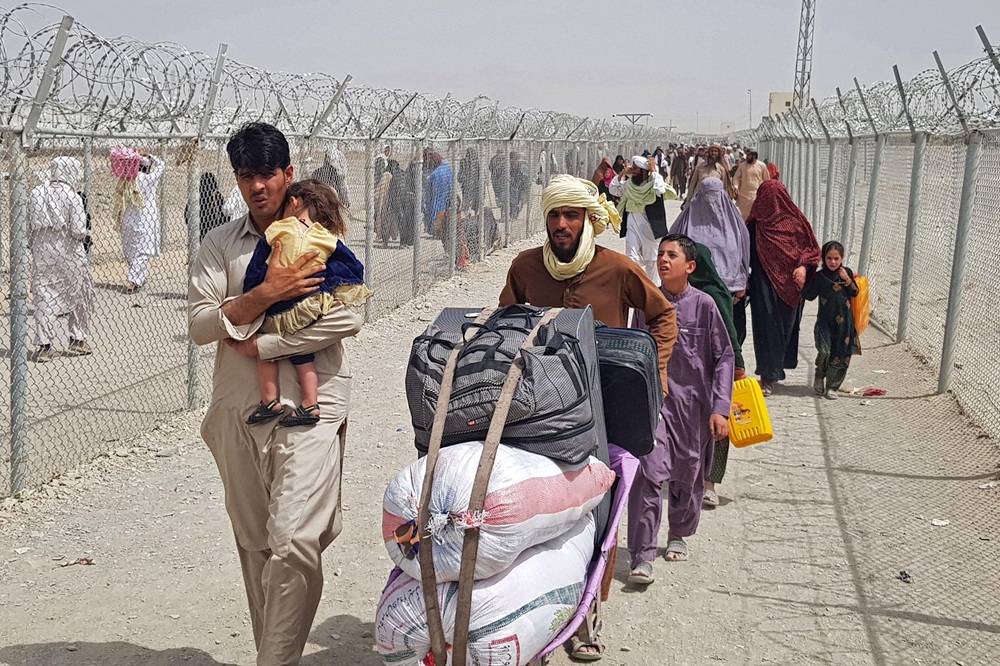
Project Overview: The Afghanistan Relief & Sustainable Development Organization (ARSDO) is implementing a four-month community-based project in Ghanikhail District of Nangarhar Province to support returnees and vulnerable communities through legal awareness, psychosocial support, protection awareness, referrals, and community reintegration. The project responds to key barriers affecting effective reintegration, including limited access to legal information, challenges related to civil documentation, family-law concerns, psychosocial distress, protection concerns, and limited access to available support services. Project Objective: The overall objective is to promote well-being and resilience, particularly among women and girls, by improving access to legal awareness and providing community-based psychosocial and MHPSS support. The project also seeks to strengthen community capacity so that trained community members and local structures can contribute to continued support beyond the project implementation period. Target Communities and Participants: Returnees: Supporting their reintegration and access to relevant services; Internally Displaced Persons (IDPs): Responding to displacement-related needs; Women and girls: Ensuring safe and culturally appropriate access to support; Youth: Promoting participation and access to psychosocial support; and Vulnerable host-community households: Addressing legal, protection, and psychosocial needs. Beneficiary selection will follow a transparent, vulnerability-based approach and will be coordinated with communities and relevant stakeholders. Key Results and Outputs: The project is designed to achieve five interconnected results: 1- Legal Awareness: ARSDO will train 25 women Community Legal Awareness Facilitators (CLAFs) and support the delivery of 80 community legal awareness sessions, reaching approximately 800 beneficiaries. 2- Psychosocial Support: The project will train 20 PSS focal points and facilitate 40 group psychosocial support sessions, reaching at least 450 participants. 3- Protection and Community Resilience: The project will promote awareness of protection risks and contribute to stronger community-based support structures. 4- Referral Pathways: ARSDO will conduct service mapping, establish and maintain referral tracking, and facilitate at least 20 supported referrals for individuals requiring additional services. 5- Sustainability: The project will strengthen community structures and trained focal points to support the continuation of appropriate local assistance beyond the project period. Implementation Strategy: The project follows a structured community-based implementation approach: Mobilize → Build Capacity → Deliver → Refer → Learn ARSDO will begin with stakeholder engagement, community mobilization, and vulnerability-based targeting. Capacity-building activities will then prepare community legal awareness facilitators, PSS focal points, and community structures for service delivery. The project will subsequently provide legal awareness, psychosocial support, protection awareness, outreach, and referral services. Monitoring, feedback, learning, and adaptation will be integrated throughout implementation. Implementation will be guided by the principles of community leadership, inclusion, Do No Harm, gender responsiveness, and accountability. Protection, Safeguarding and Accountability: Protection and safeguarding are integral to the project’s implementation. ARSDO will prioritize the safety, dignity, rights, and well-being of all participants. Staff and community-based personnel are expected to maintain confidentiality, follow approved referral procedures, prevent sexual exploitation and abuse, and obtain informed consent before sharing information or making referrals. Special attention will be given to ensuring safe and culturally appropriate participation of women and girls, including women-only sessions where appropriate. Monitoring, Evaluation, Accountability and Learning: The project will use MEAL mechanisms to monitor progress, measure results, strengthen accountability, and capture learning. Key mechanisms include: 1- Baseline and end-line assessments; 2- Beneficiary registration and attendance records; 3- Pre- and post-tests; 4- Training and activity reports; 5- Referral tracking; 6- Routine monitoring and field visits; 7- Data-quality checks; 8- Feedback and complaints mechanisms; and 9- Documentation of lessons learned, good practices, case studies, and beneficiary stories. Expected Contribution: Through this initiative, ARSDO seeks to strengthen access to essential legal information and community-based psychosocial support while improving referral pathways and community mechanisms for vulnerable populations. By investing in community facilitators, PSS focal points, and local structures, the project aims to strengthen community capacity and promote more sustainable access to support for returnees and vulnerable households in Ghanikhail District.
Read More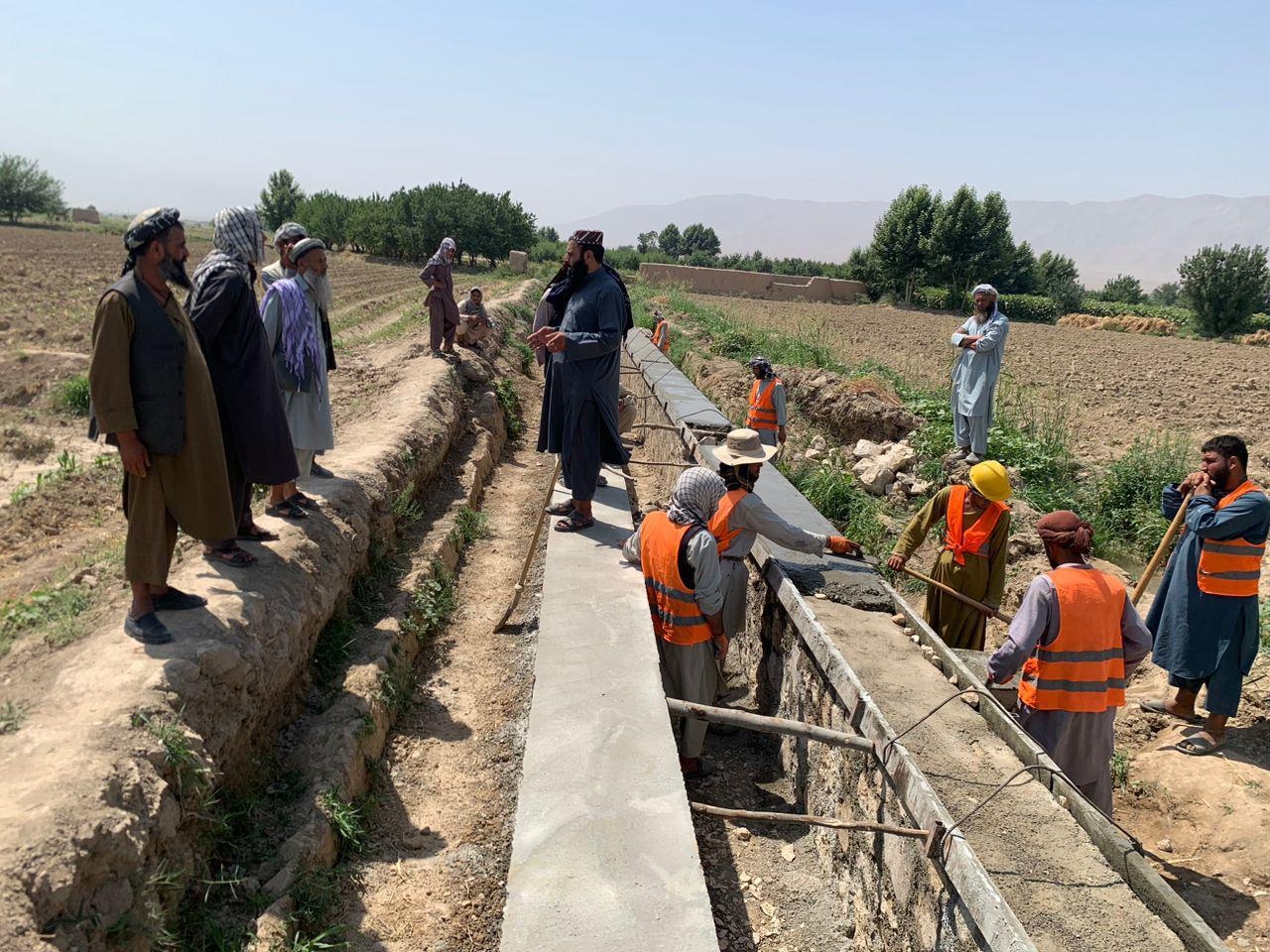 Construction
Ongoing
Construction
Ongoing
Project Overview: The Afghanistan Relief and Sustainable Development Organization (ARSDO) is implementing a four-month project titled “Provision of Disaster Risk Reduction, Emergency Preparedness and Community Resilience Support Services” in Zabul and Uruzgan provinces. The project responds to the vulnerability of communities affected by recurrent floods, droughts, erosion, irregular rainfall, climate-related shocks, and damage to agricultural, irrigation, road, residential, and other community infrastructure. Project Approach: ARSDO’s approach brings together four complementary areas of intervention: 1- Infrastructure-Based Disaster Risk Reduction: The project will support flood protection and erosion control through the delivery of approximately 2,000 gabion cages and the rehabilitation and cleaning of irrigation and drainage infrastructure. 2- Community Preparedness and Awareness: Community members will receive awareness and preparedness support covering disaster risk reduction, emergency preparedness, climate change, flood mitigation, early warning, safe evacuation, first aid, environmental protection, and water conservation. 3- Cash for Work Support: The project will create short-term livelihood opportunities for vulnerable community members through Cash-for-Work activities linked to the rehabilitation and cleaning of community infrastructure. Approximately 5,000 labour days are planned, benefiting around 450 vulnerable households. 4- Institutional Capacity and Coordination: ARSDO will facilitate specialized training and workshops for disaster management actors, local authorities, community representatives and leaders. The project will also establish or strengthen community emergency coordination groups to improve preparedness and coordination at the local level. Key Targets: By the end of the project, the planned outputs include: 1- 2,000 gabion cages delivered for flood protection and erosion control. 2- 50 irrigation and drainage canals rehabilitated or cleaned. 3- Approximately 70 km of canals cleaned or restored. 4- Approximately 450 vulnerable households supported through Cash-for-Work. 5- Around 5,000 labour days generated. 6- 30 community awareness sessions conducted. 7- At least 600 community members participating in awareness and preparedness activities. 8- Four DRR and emergency preparedness workshops conducted. 9- 75 provincial disaster management staff and community representatives trained. 10- Ten community emergency coordination groups established or strengthened. 11- A functional Grievance Redress Mechanism (GRM) maintained throughout the project. Inclusive and Community-Based Implementation: The project will use a transparent and participatory beneficiary-selection process based on vulnerability and exposure to disaster and climate-related risks. Particular attention will be given to vulnerable and marginalized groups, including poor and low-income households, farmers, landless people, women-headed households, internally displaced persons, returnees, unemployed people, persons with disabilities, and elderly-headed households. ARSDO will work with provincial and local authorities, disaster management structures, Community Development Councils, community elders, religious leaders, women’s representatives, community groups, humanitarian and development partners, and local communities to support effective and inclusive implementation. Expected Contribution: Through an integrated combination of disaster-risk-reduction infrastructure, community preparedness, livelihood support, training, and local coordination, the project is designed to strengthen the capacity of vulnerable communities in Zabul and Uruzgan to prepare for, respond to, and reduce the impacts of disasters and climate-related risks.
Read More Health
Ongoing
Health
Ongoing
Delivering essential primary healthcare, maternal care, and immunization services to remote communities across Nuristan province.
Read More.jpeg) Nutrition
Ongoing
Nutrition
Ongoing
Providing targeted nutrition support to combat malnutrition among vulnerable children and mothers in Nuristan.
Read MoreReal numbers behind the projects currently running across our provinces.
Every project on this page runs on donor support — partner with us or give directly to keep this work going.